


CHILD A
Does not speak.
But look what we see.
- Understands spoken directions
- Uses 50+ AAC words
- Combines symbols
- Initiates communication
- Answers questions
- Shows emerging literacy
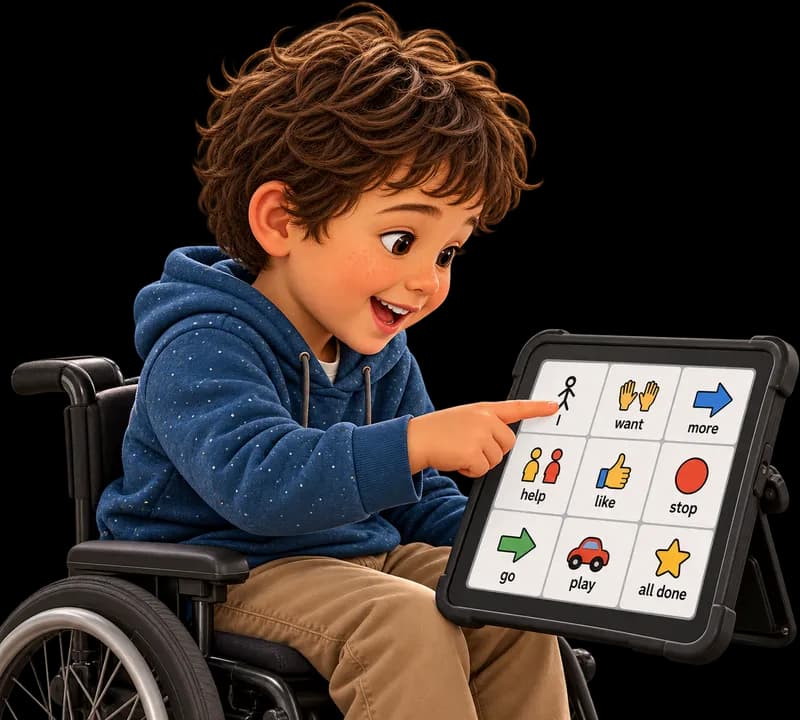

How many verbal and linguistic skills are obscured by that label?
The word comes from the Latin verbum: word. A child who reads, signs, or builds sentences on an AAC device is using words. Speech is only one way to deliver them.
Doesn’t use speech to communicate. Says nothing about language.
Uses a few spoken words or sounds. Says nothing about language either.
Claims there are no words at all. That’s rarely the whole story.
Does not speak.
But look what we see.
Also does not speak.
But look what we see.
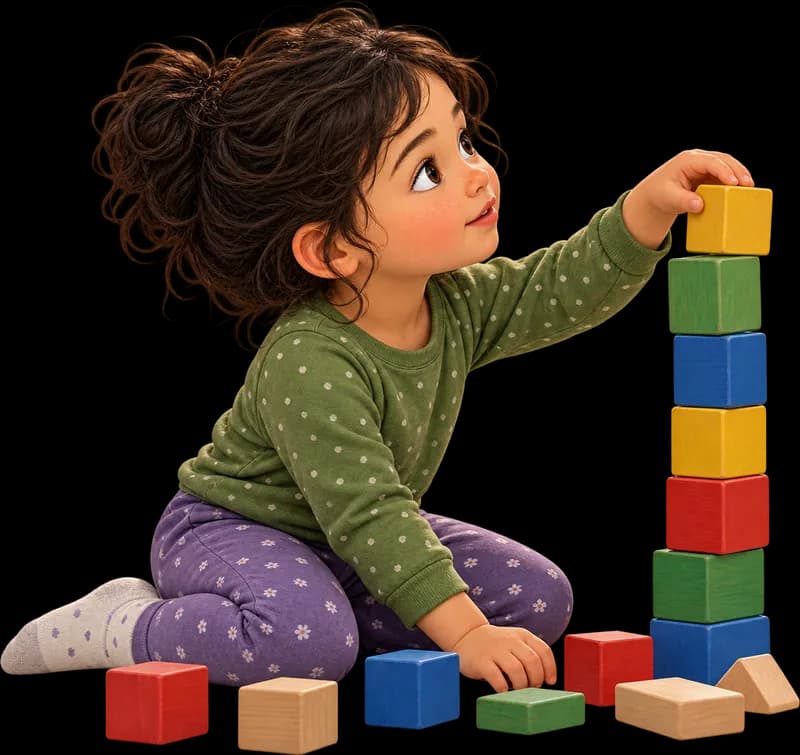

Two people can produce little or no speech and have very different language profiles.
One label can hide the unique strengths, needs, and potential that matter most for support and growth.
Once a child is called non-verbal, the word tends to travel ahead of them: into reports, into meetings, and into the first impression of every new adult.
People stop talking to the child and start talking about them, sometimes right in front of them.
“Let’s wait and see if speech comes” can cost months of access to words.
If we assume there’s no language, we stop looking for what the child understands.
A child no one expects to talk may never be taught to read.
A description takes a few more words than a label. It also tells the next person where to start.
He’s non-verbal.
He doesn’t speak yet. He follows spoken directions and uses more than 50 words on his AAC device.
She’s non-verbal.
She doesn’t speak yet. She communicates with actions and gestures, and she’s starting to communicate on purpose.
He’s non-verbal, so we couldn’t test him.
Spoken-response testing didn’t fit. We looked at his understanding through pointing and his device.
Non-speaking describes speech production.
It doesn’t presume the absence of language.