Loading...
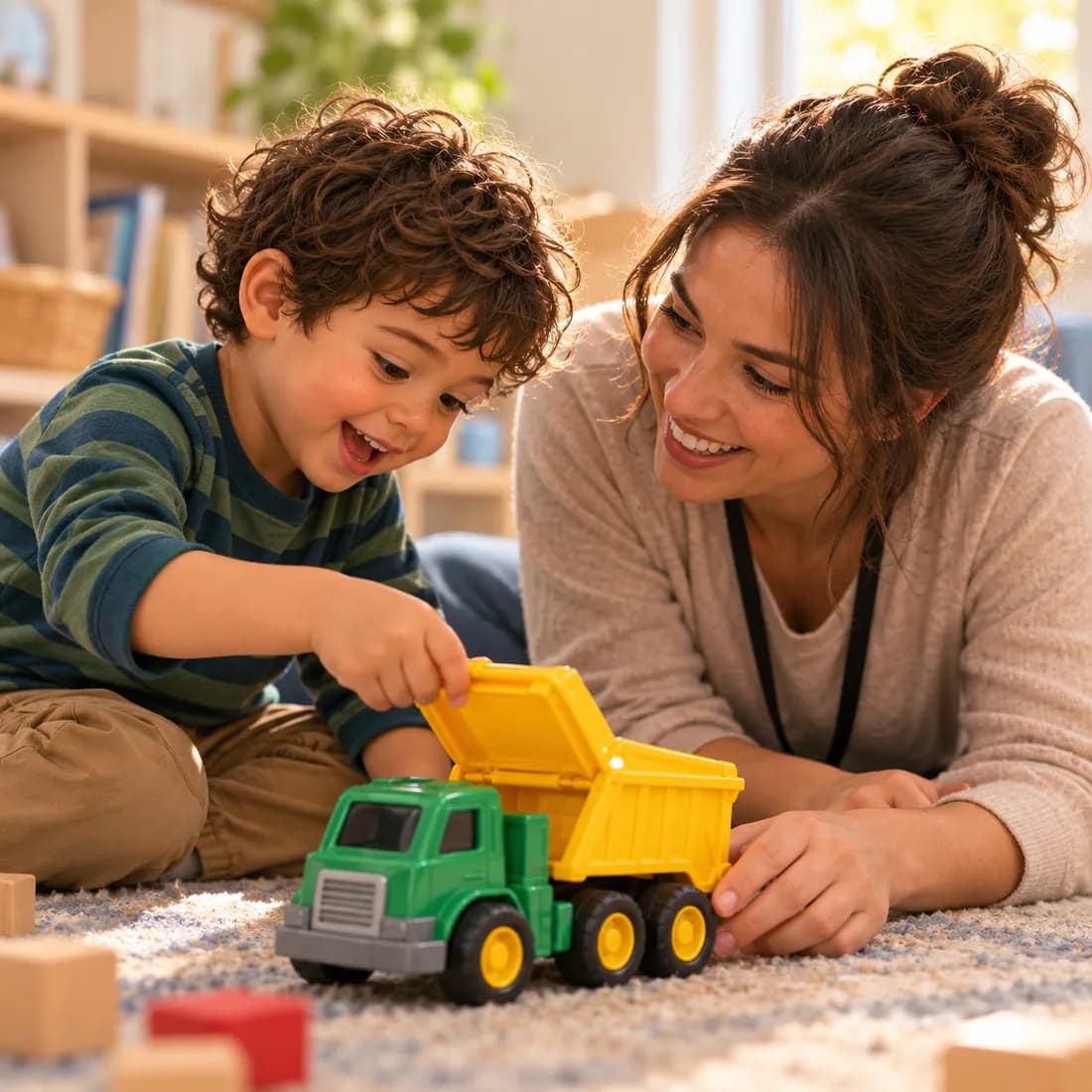
We know where we want to go.
Goals. Skills. Participation.
Greater independence.
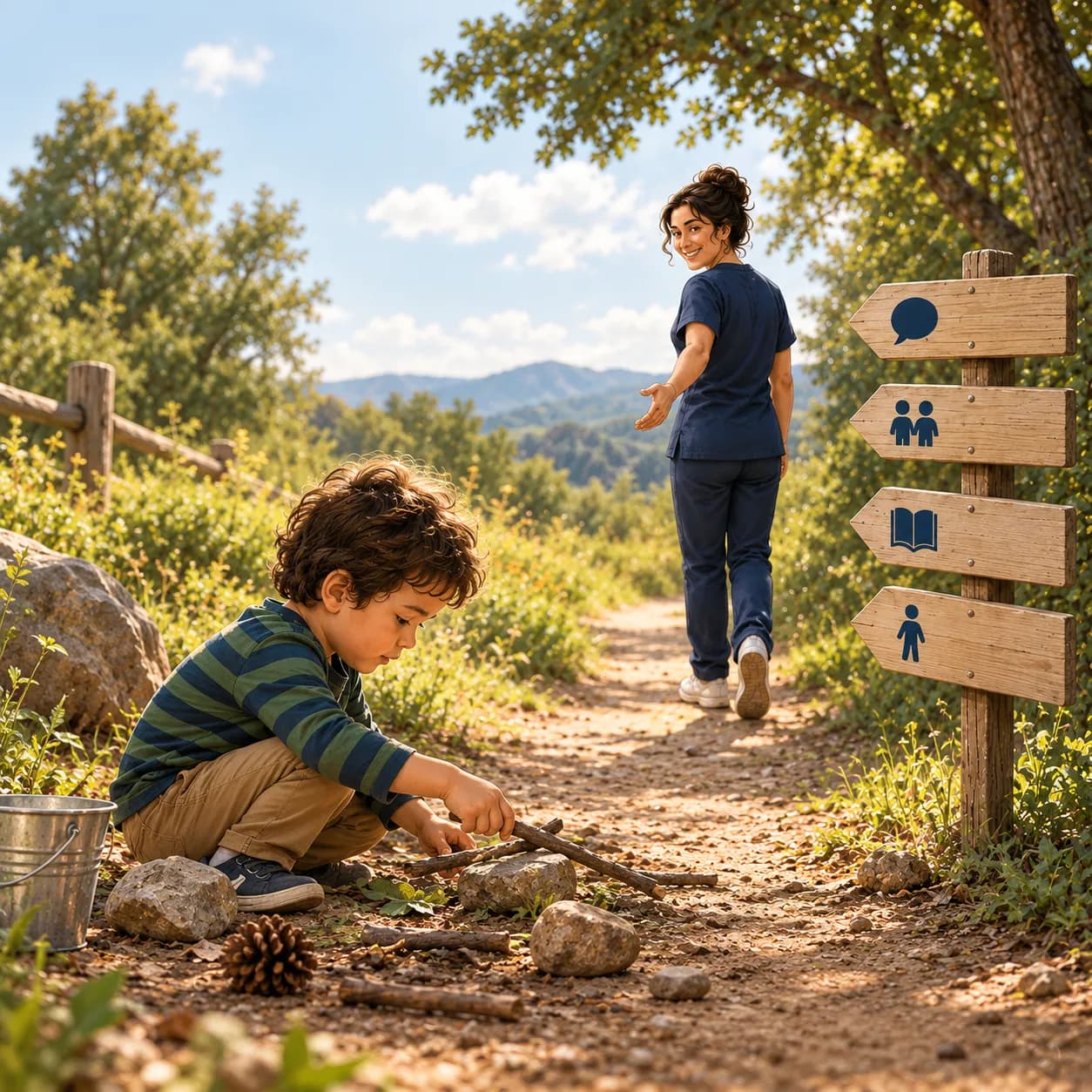
He knows where he
wants to be, too.
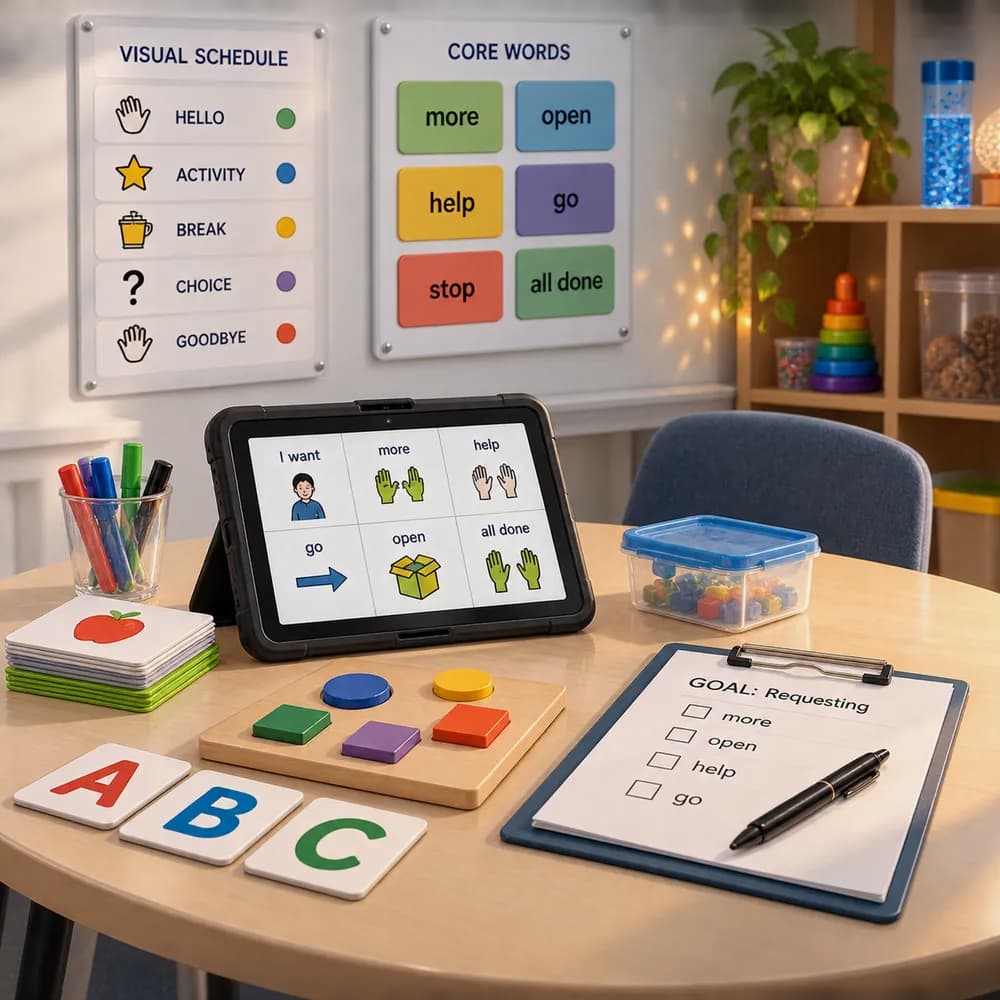
The skills we want to teach.
The activities we planned.
The things we know will matter.
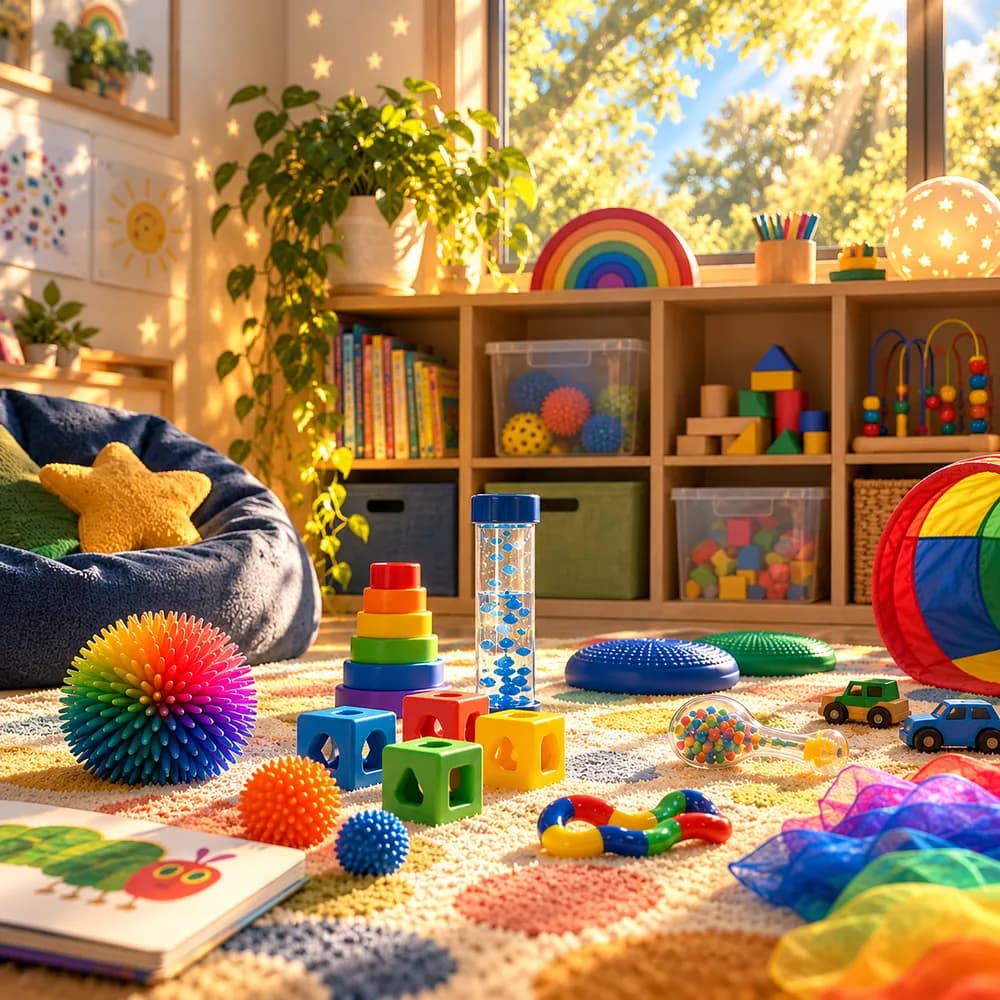
The textures they prefer.
The activities we may not understand.
The things that satisfy a need we can’t see.
Both worlds make sense—from their own points of view.
Our challenge is finding the connection.
But is it important right now?
What comes before teaching what adults have decided matters?
Maybe the first step isn’t choosing the right activity.
Maybe it’s understanding what already matters.
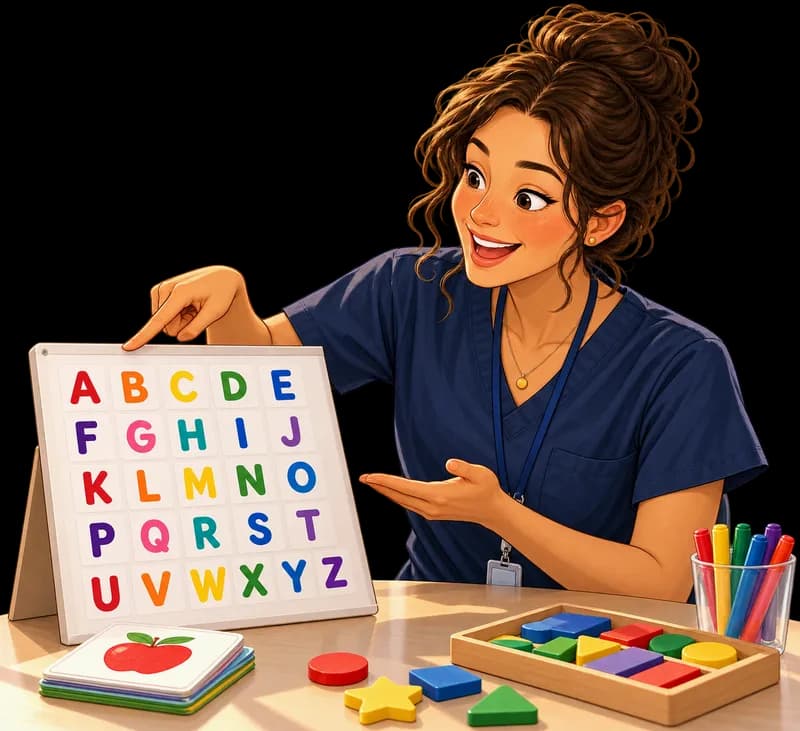
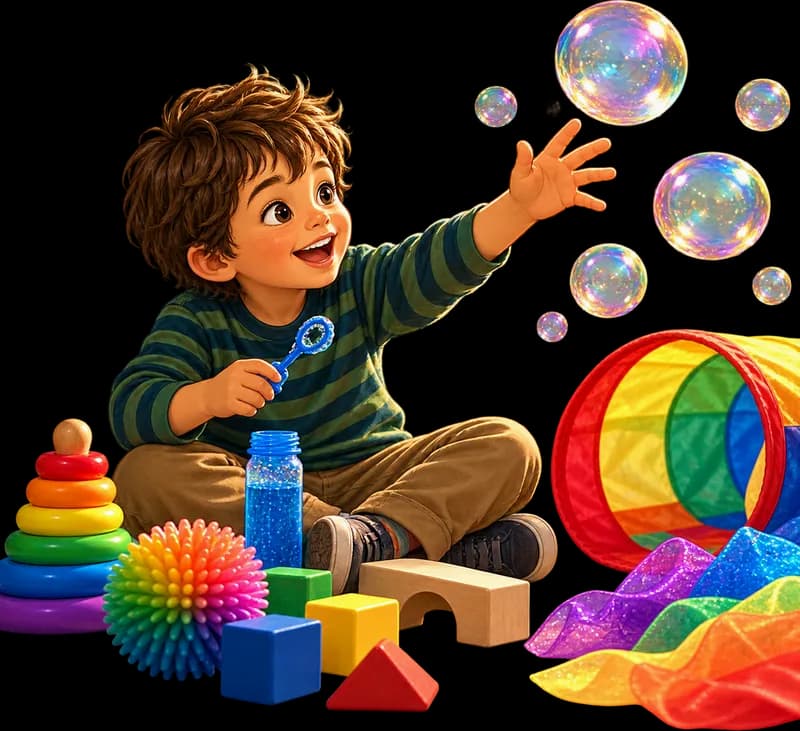
That’s useful information.
But is it all the information?
The story depends on what we choose to notice.
Let’s make sure we’re seeing the whole story.
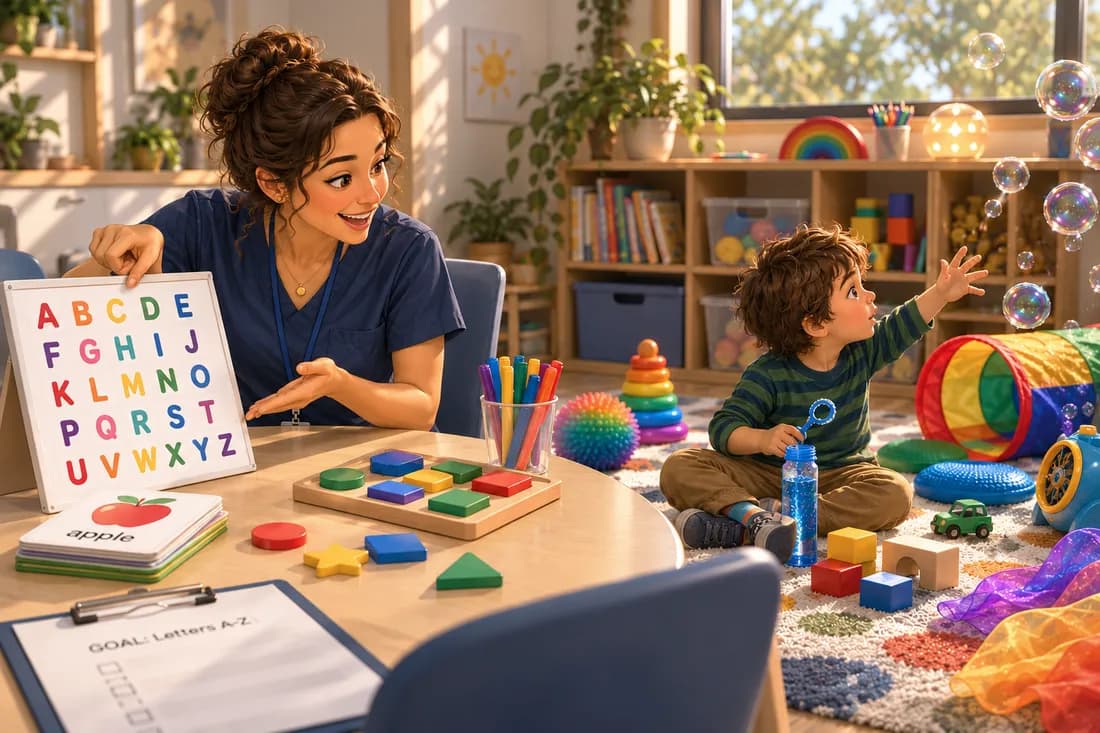
Another observation:
“Sustained attention to spinning wheel for 3 minutes.”
Both are true.
Where attention goes may tell us something.
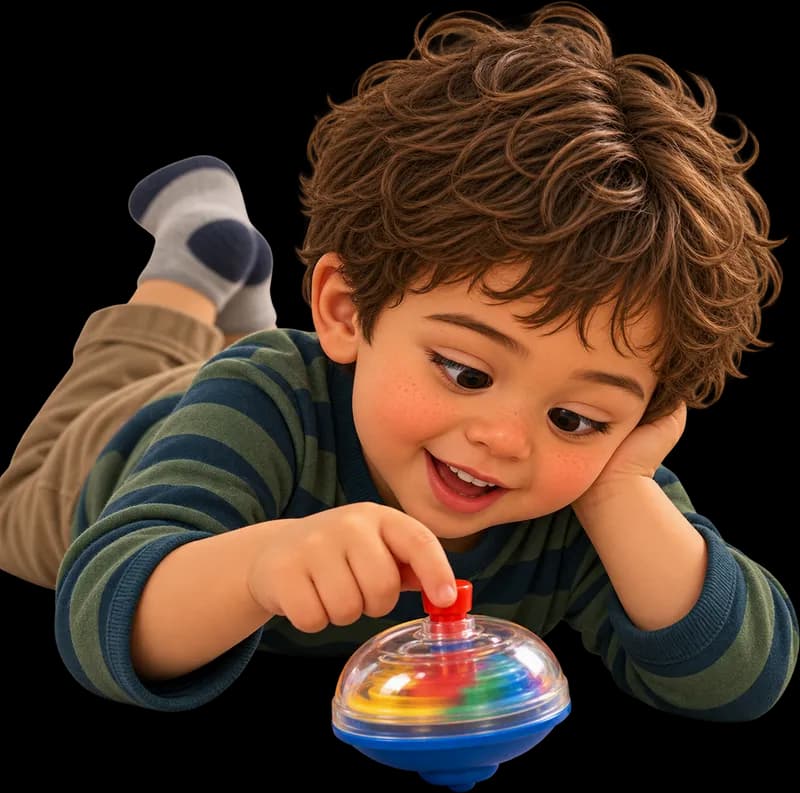

The child’s spontaneous allocation of attention is clinical information—not merely an obstacle to our agenda.
Sometimes what a child cares about doesn’t look like what we’d choose: a spinning wheel, a row of cars, the same video clip on repeat. Those are motivations too. Often they’re the most reliable ones a child has.
We work hard to create reasons to communicate.
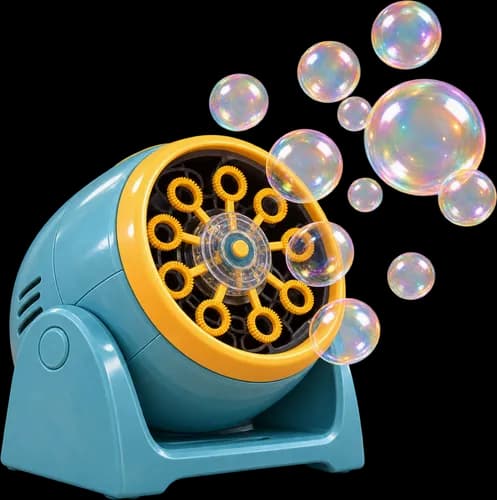
Deliberately engineered opportunities.
Let’s start with what we observe.

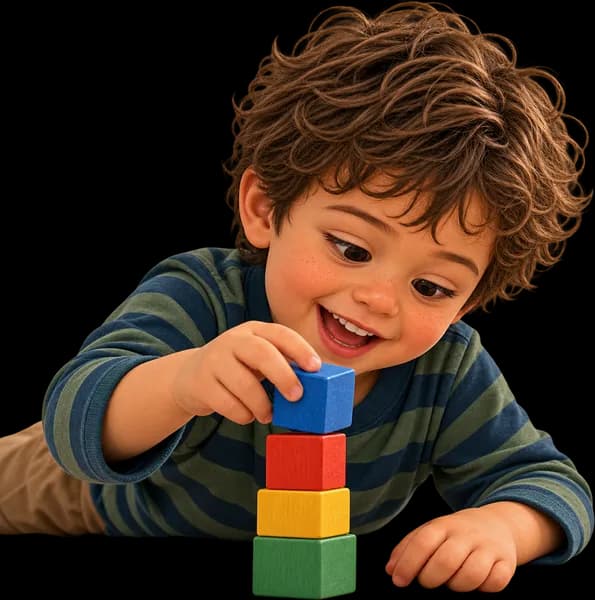
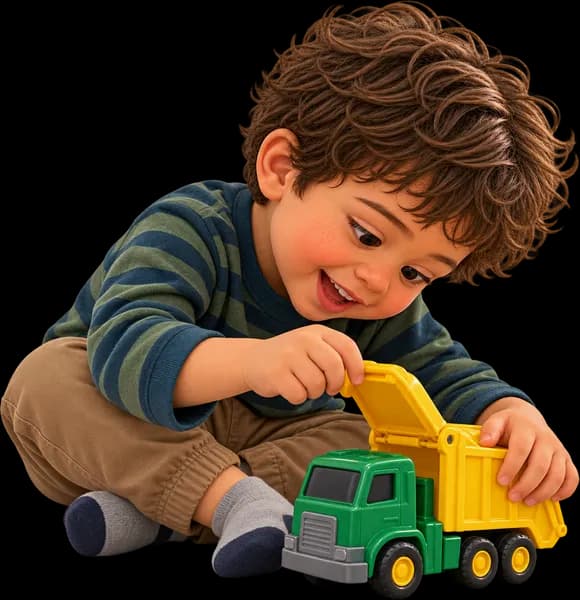
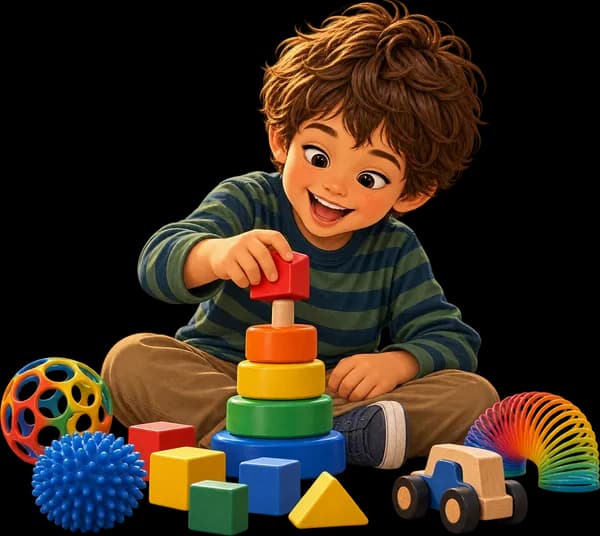
Spontaneous interests.
Meaningful in the moment.
Start with what the child is showing us, not what we assume they need.
Observation first.
Understanding follows.
Every child has motivations and priorities. But what do we do when those don’t line up with our plan?
Usually, we reach for something extra.
They can carry a child through an activity. They rarely make the activity worth doing. The motivation lives in the reward, so when the reward goes, the reason to communicate often goes with it.
Maybe we should change the plan.
Treatment plans are written in advance. Motivation shows up in real time, and most of the decisions that matter get made there.
Requesting “more” during bubble play.
Five minutes in, he turns away to watch the fan spin.
One prompted request. The rest of the session spent competing with the fan.
Request after request, because he wants something. No sticker needed.
The goal didn’t change. The vehicle did.
The same thinking works before the session, too. Start with what the child already seeks out, then ask what it could carry.
Interests choose the activity. Goals choose what we model inside it.
Maybe the best starting point isn’t entirely ours—or theirs.
A powerful place to start.
Maybe we don’t always have to start from our side.
What does your client already care about—and what might be waiting there?